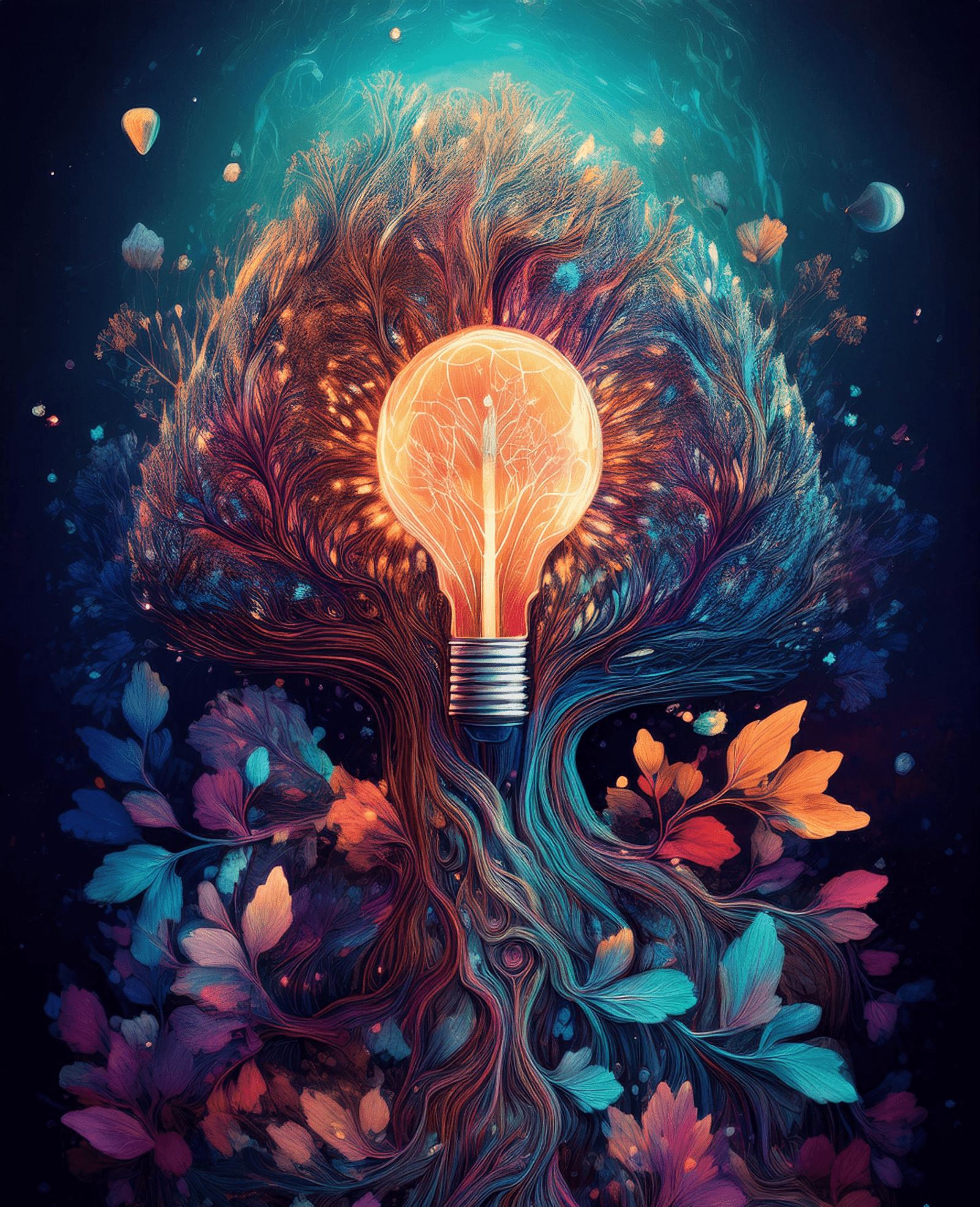
Behind every extraordinary piece of art, design, or innovation lies an intricate creative process. This often-hidden journey is where raw ideas evolve into tangible expressions of creativity, innovation, and impact. The process is a fascinating blend of inspiration, strategy, experimentation, and refinement, each stage playing a vital role in shaping the final product. Here, we explore the dynamics of these behind-the-scenes processes, shedding light on the magic that drives creativity.
The Spark of Inspiration: Where Ideas Begin
Every creative process starts with a spark—an idea, a vision, or a problem needing a solution. For designers, inspiration can come from various sources, including nature, culture, technology, or even everyday experiences. However, inspiration is only the beginning.
Many creative professionals keep journals, mood boards, or digital repositories to collect and organize their inspirations. Tools like Pinterest and Milanote are invaluable for curating visual ideas, while brainstorming sessions often help transform abstract thoughts into actionable concepts.
Strategic Planning: Turning Vision into Action
Once inspiration strikes, the next step is to structure and strategize. Planning is essential to ensure the creative process is both productive and aligned with the project’s objectives.
This stage involves setting clear goals, defining target audiences, and outlining key deliverables. Creative teams often use project management tools like Asana or Trello to organize workflows and establish timelines. This structured approach ensures that creativity has a clear direction, reducing inefficiencies and maintaining focus.
Experimentation: Exploring Possibilities
Experimentation is where creativity truly comes alive. This phase allows designers to explore various ideas, test concepts, and push boundaries. Prototyping and sketching play a crucial role here, enabling creators to visualize their ideas and identify potential challenges early.
Digital tools like Adobe Creative Suite, Figma, and Blender empower designers to iterate quickly, refining their concepts through trial and error. Feedback loops, whether from team members or target users, are integral during this stage, offering valuable insights that shape the final design.
Refinement: Polishing the Vision
After experimentation comes refinement—the process of honing the concept into a cohesive and polished piece. This stage often involves meticulous attention to detail, ensuring that every element aligns with the intended vision and purpose.
For example, in graphic design, this might include perfecting typography, color schemes, and layouts. In product design, it could involve usability testing to ensure the final product meets user needs. Collaboration with clients or stakeholders is critical here, ensuring the outcome aligns with expectations.
The Role of Technology in Creative Processes
Modern technology has transformed creative workflows, making them more efficient and collaborative. Artificial intelligence, for instance, can generate design suggestions or automate repetitive tasks, while cloud-based tools enable real-time collaboration across global teams.
Moreover, virtual and augmented reality offer immersive ways to visualize and present ideas, bridging the gap between imagination and reality. These technological advancements not only streamline processes but also open new possibilities for innovation.
Overcoming Challenges in Creativity
Creativity is not without its challenges. Creative blocks, time constraints, and resource limitations are common hurdles. However, seasoned creators rely on strategies like changing environments, seeking inspiration from different disciplines, or collaborating with others to reignite their creative flow.
Building resilience and embracing flexibility are key to navigating these obstacles, ensuring the creative process remains dynamic and productive.
Celebrating the Journey: The Importance of Process
The final product often takes center stage, but the creative process deserves equal recognition. It’s in this journey that ideas are nurtured, challenges are overcome, and innovation is born. Celebrating the process not only honors the effort behind creativity but also inspires others to embrace their own journeys.
Conclusion: Creativity as a Transformative Force
Behind the scenes of creative processes lies a world of exploration, experimentation, and evolution. It’s a journey that transforms fleeting ideas into impactful realities, blending inspiration with strategy and innovation. By understanding and appreciating these processes, we can better support and foster creativity in all its forms, ensuring a future where ideas continue to shape and inspire the world.